Seasonal Broadsheet Synthesis
The Long Night and the Cellular Furnace
How shrinking daylight tests deep-sleep brain waves, dawn glymphatic clearance, mitochondrial oxygen sensing, and aging immune resilience.
- Spiral · Luminous Mind
- Circadian & glymphatic physics
- Slow-wave memory consolidation
- Mitochondrial & oxygen signaling
- Innate immune priming
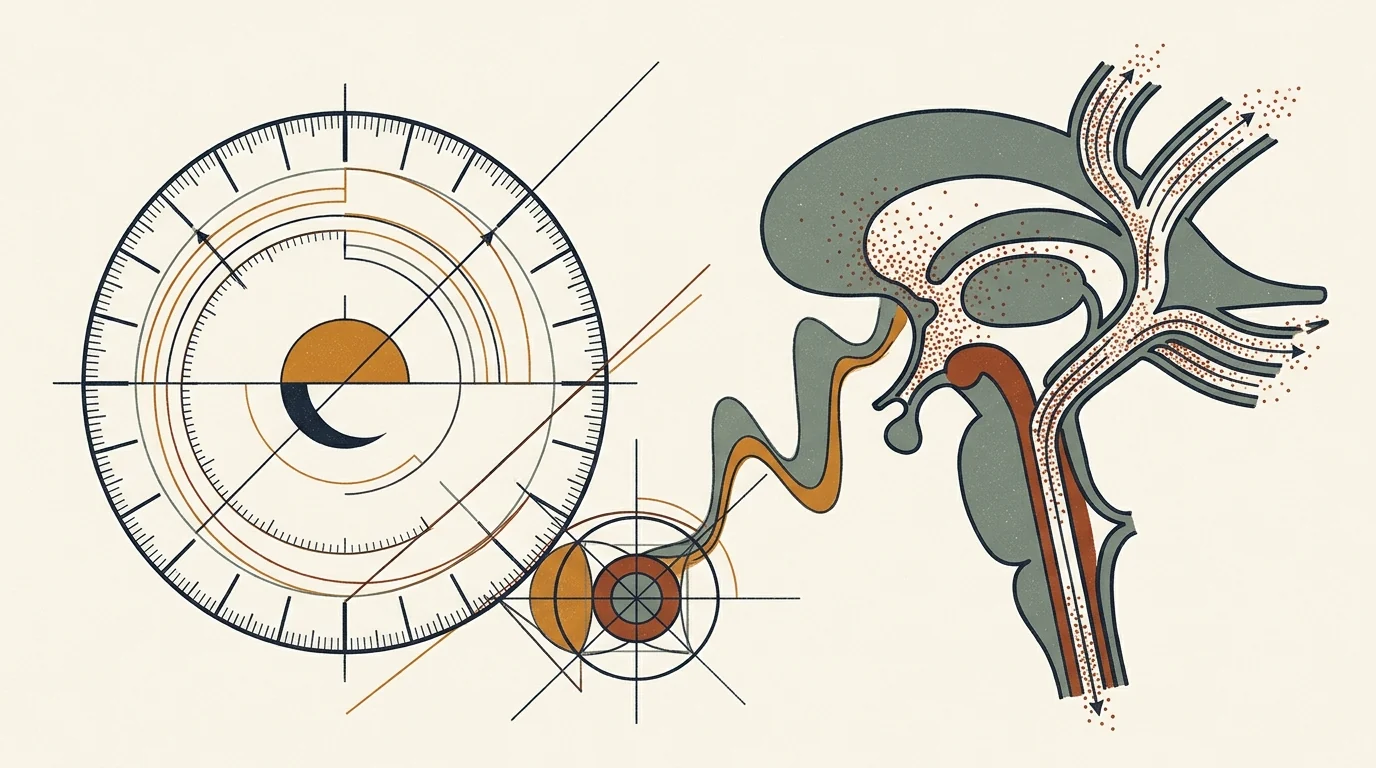
Every northern winter conducts a quiet physiological experiment on aging tissue. As solar altitude drops toward the winter solstice and daylight contracts, the body loses its sharpest external timing cue: high-lux morning light hitting retinal ganglion cells. For decades, clinical medicine treated seasonal darkness mainly as a mood problem or a vitamin D arithmetic exercise. Yet recent work across neuroimaging, glial biology, oxygen sensing, and neuroimmunology points to a deeper physical story. Aging organs do not fail one isolated pathway at a time; as a recent multi-study synthesis in PubMed observed, decline accelerates where circadian clocks, mitochondrial energy delivery, vascular oxygen matching, and immune tone fall out of step together.
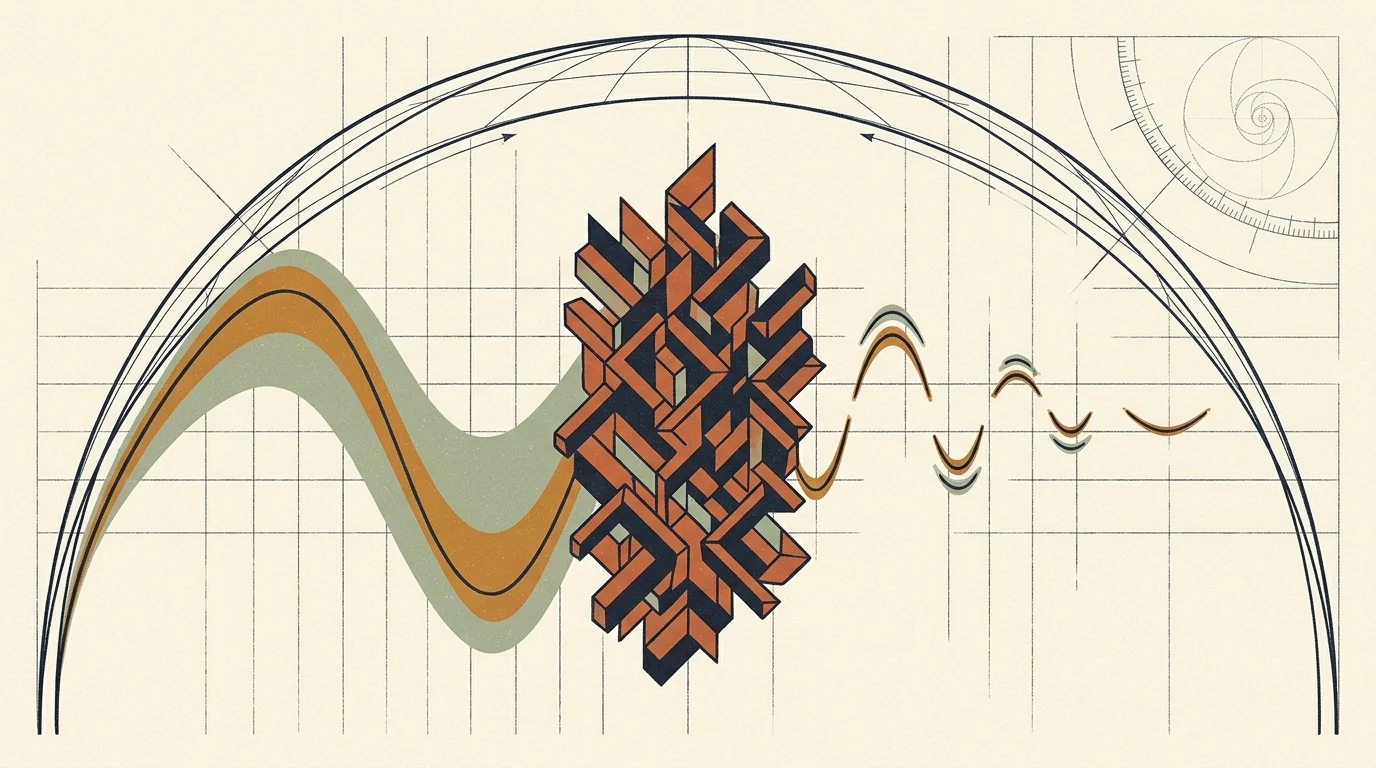
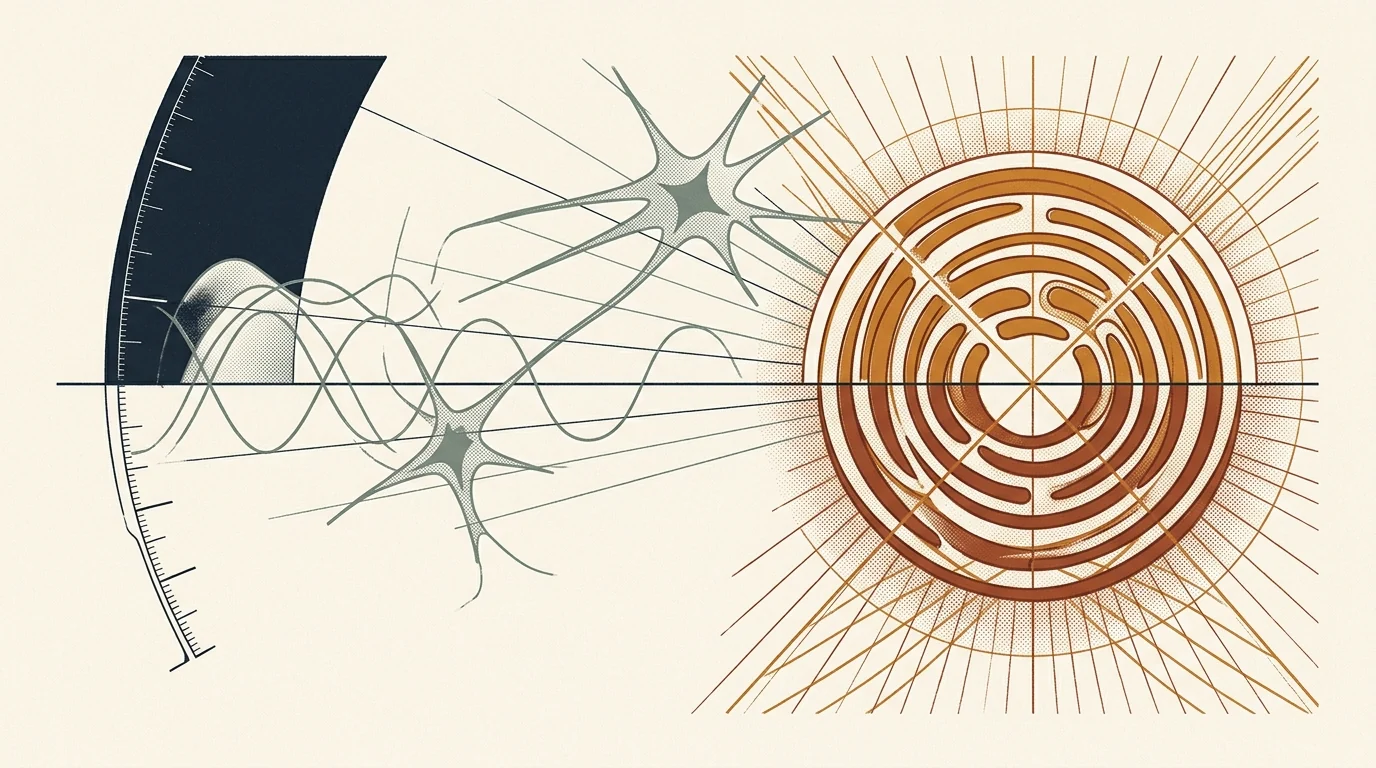
Nowhere is that nocturnal coordination clearer than inside the sleeping skull. During healthy deep non-REM sleep, thousands of frontal cortical neurons fire and fall silent in unison, sending slow electrical swells rolling across the scalp to lock fragile daytime memories into long-term neocortical storage. Tracking younger adults in their twenties alongside cognitively normal older adults aged 60 to 75 with high-density EEG, PET imaging, and spinal fluid assays, Omer Sharon, Matthew Walker, and colleagues at UC Berkeley spotted an early fracture in that nightly tide. In older adults carrying subclinical frontal tau buildup, slow waves stopped traveling across broad cortical territories and shrank into isolated, short-range pulses that the team named “lonely waves.” The fewer sweeping waves crossed the cortex overnight, the more word-pair memories vanished by morning, years before any clinical dementia diagnosis.
Nighttime architecture is both electrical and hydraulic
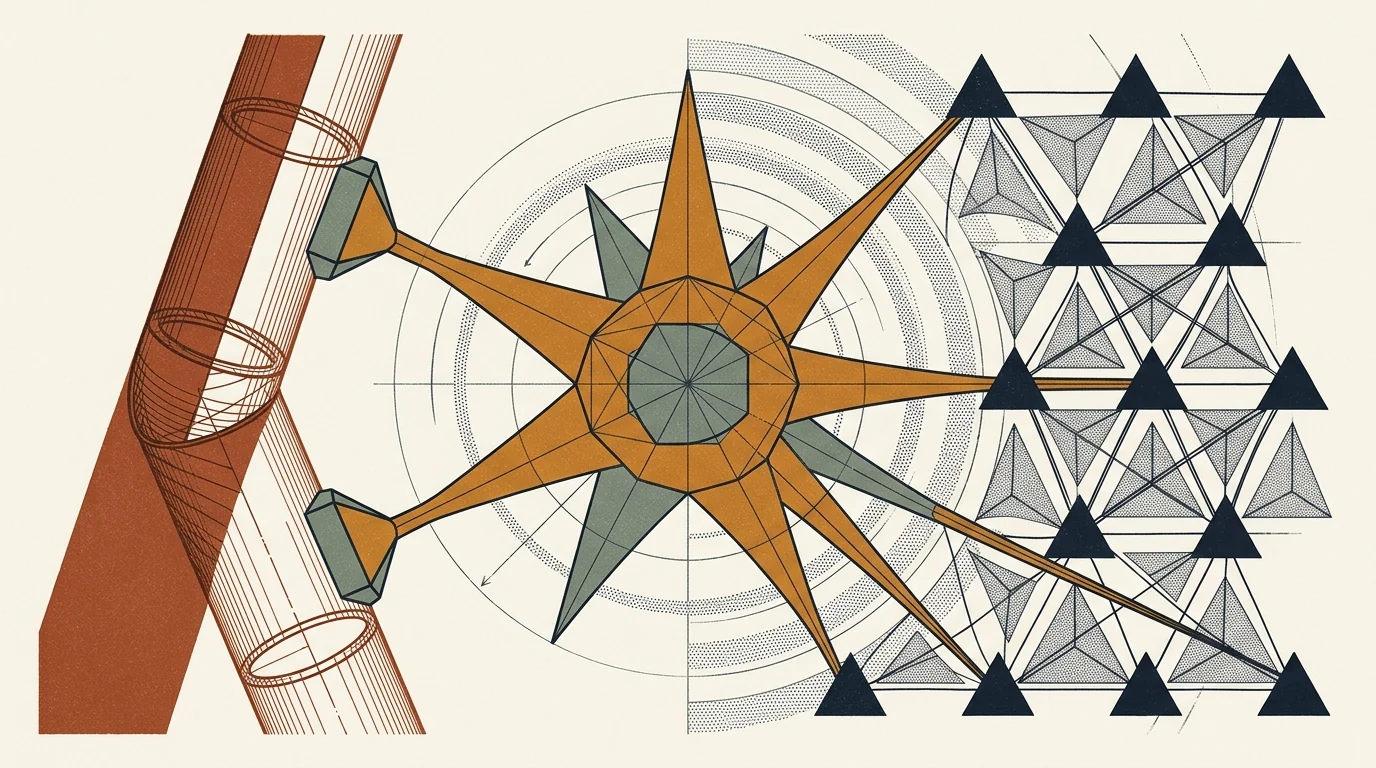
Neurons do not conduct that nocturnal repair solo. Reporting in Neuron, researchers demonstrated that astrocytes, the star-shaped glial cells wrapping blood vessels and synapses alike, actively steer the neural circuits that consolidate memory during sleep rather than standing by as passive structural scaffolding. Linked together through gap junctions and rhythmic calcium waves, astrocytes sit directly at the boundary where electrical replay meets fluid transport.
A 34-hour human wakefulness preprint from Danish investigators adds a surprising circadian twist to how that fluid moves. Sampling healthy volunteers with fMRI, EEG, and near-infrared spectroscopy under constant conditions, the researchers tracked low-frequency oscillations in cerebrospinal fluid near 0.1 Hz, the slow vascular pumping rhythm that flushes metabolic waste through perivascular channels. Rather than belonging exclusively to deep sleep, these clearance waves climbed with time spent awake and crested on an endogenous circadian schedule between 4:00 and 6:00 AM, synchronized with brainstem wake-promoting nuclei in the reticular activating system rather than plasma norepinephrine. If replicated after peer review, that dawn surge suggests that the transition out of winter darkness into crisp morning alertness may be just as important to cerebral waste flushing as uninterrupted early-night slow-wave sleep.
Sensing scarcity and quieting the inflammatory storm
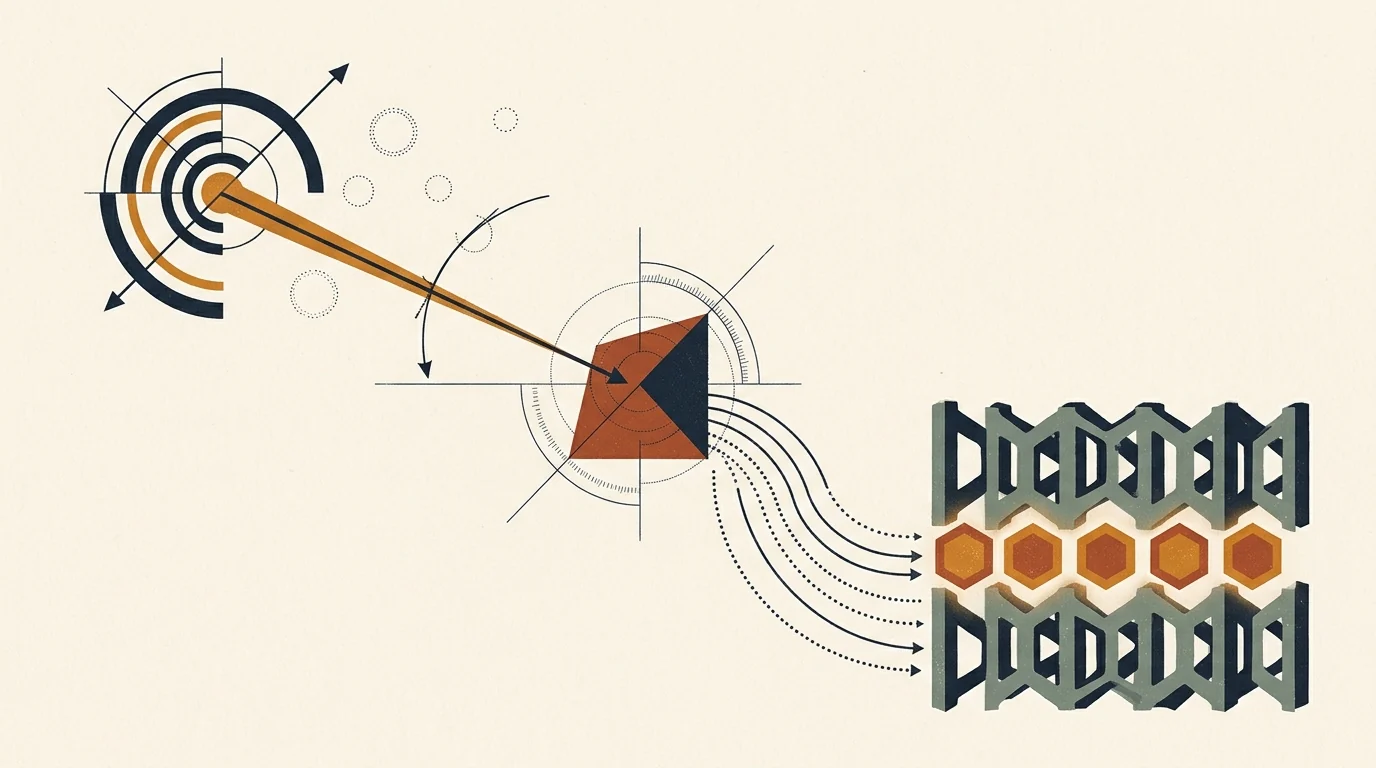
Beneath the brain’s nightly electrical and hydraulic rhythms sits an older metabolic question: how do cells turn environmental stress into repair without tipping into chronic inflammation? In eLife, geneticists working in Caenorhabditis elegans traced how oxygen scarcity extends lifespan without requiring every organ to suffer low oxygen directly. Stabilizing the oxygen-sensitive transcription factor HIF-1 inside a single hub of serotonergic sensory neurons (ADF) proved sufficient to send a bioaminergic and peptidergic relay through SER-7 and GABA interneurons all the way to the intestine, switching on the protective enzyme fmo-2. While worm neural circuits sit far upstream of human medicine, the architectural principle is striking: nervous systems act as central barometers, translating subtle shifts in gas and energy availability into body-wide maintenance orders.
Human brain-bank tissue tells a parallel story about restraint under stress. Sequencing individual nuclei from the hippocampal dentate gyrus of donors past age 80 at the Netherlands Brain Bank, neurobiologists compared Alzheimer’s dementia patients against cognitively resilient elders who died with sharp minds despite heavy amyloid plaques and tau tangles. Both groups held comparable numbers of rare immature neurons. What distinguished resilient brains was transcriptional discipline: their young hippocampal cells dialed up heat-shock and survival programs while muting pro-inflammatory and cell-death genes, calming neighboring glia rather than trying to replace dead neurons one by one.
Peripheral clearance organs echo that link between systemic vascular transport and brain aging. When researchers restored microcirculation across aging liver sinusoidal endothelial beds, circulating amyloid-beta levels dropped by nearly half, relieving downstream pressure on the blood-brain barrier. Rather than treating neurodegeneration as an isolated cranial failure, hepatic-cerebral clearance shows why opening peripheral transport and biliary drainage pathways matters before neural waste accumulates.
Reading the winter threshold without hype
Taken together, these six dispatches sketch a coherent physiology for the dark quarter of the year, while demanding strict honesty about where each line of evidence stands. Brain-wave fragmentation and dawn cerebrospinal fluid oscillations were measured in living human volunteers, though the CSF preprint still awaits peer review and causality between tau and fractured slow waves could run in either direction. Single-cell hippocampal resilience captures a post-mortem snapshot, hepatic sinusoidal amyloid clearance was demonstrated in experimental models, and serotonergic oxygen relays remain an invertebrate map awaiting mammalian tests.
Still, a shared pattern runs through all six findings. Aging brain and metabolic circuits rarely thrive on constant, flat stimulation; they rely on contrast and clean phase transitions: bright morning arousal signals contrasting with dark, unfragmented slow-wave nights, brisk immune training contrasting with quiet baseline tissue inflammation, and intact glial-vascular rhythm carrying waste out before dawn. Stepping into the solstice, clarity begins with honoring those boundaries, both in how we read the evidence and in how we keep time with the light we have.
Primary Evidence Ledger
Dispatches bound in this Folio
6 peer-reviewed and preprint analyses from the Agewell desk
- 01 Bioelectric Sleep Architecture emerging
Broken Signals in Deep Sleep: How ‘Lonely’ Brain Waves Reveal Hidden Memory Loss
UC Berkeley EEG and PET data showing how early frontal tau fractures broad slow-wave sweeps into localized 'lonely waves' before clinical symptoms appear.
Nov 8, 2026 · ScienceDaily Healthy Aging - 02 Circadian Hydraulic Clearance emerging
Your brain’s plumbing runs on a 24-hour clock: new study links wakefulness and CSF oscillations
A 34-hour human fMRI and NIRS preprint mapping 0.1 Hz cerebrospinal fluid clearance surges to brainstem arousal nuclei and an early-morning peak near dawn.
Aug 15, 2026 · bioRxiv neuroscience, genetics, physiology - 03 Glial Circuit Maintenance emerging
Astrocytes: The Sleep Architects Rewiring Memory Circuits
Evidence in Neuron that star-shaped astrocytes actively instruct nocturnal memory-consolidation circuits through coordinated calcium signaling.
Aug 13, 2026 · Medical Xpress Sleep - 04 Neuronal Oxygen Relay emerging
Mapping the neuro-metabolic circuit of hypoxia-induced longevity
An eLife dissection in C. elegans tracing how HIF-1 stabilization in a single class of serotonergic neurons triggers gut-wide longevity enzymes.
Nov 10, 2026 · eLife Neuroscience - 05 Anti-Inflammatory Neural Reserve emerging
Why Some Aging Brains Stay Sharp Despite Heavy Alzheimer’s Plaques
Single-cell sequencing past age 80 showing that plaque-heavy yet lucid brains keep immature hippocampal neurons in a quiet, anti-inflammatory state.
Nov 10, 2026 · ScienceDaily Healthy Aging - 06 Hepatic-Cerebral Amyloid Clearance emerging
Rejuvenating Liver Microcirculation Halves Circulating Alzheimer’s Proteins
Experimental evidence showing that restoring liver sinusoidal endothelial microcirculation cuts peripheral amyloid-beta pools in half before they burden the blood-brain barrier.
Nov 10, 2026 · ScienceDaily Healthy Aging