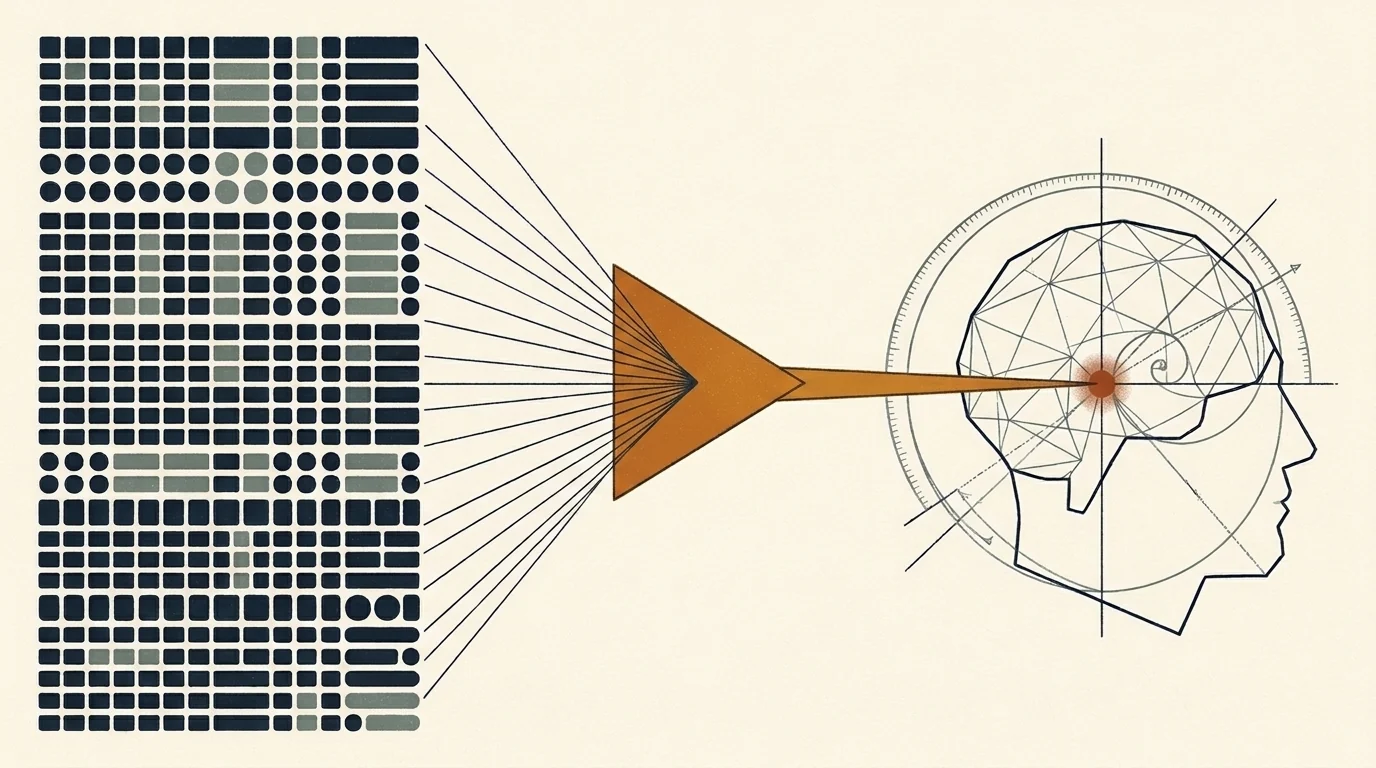
Accelerated cognitive evaluations could help health systems rapidly identify early dementia and streamline access to emerging disease-modifying therapies as global cases rise.
The bottleneck in cognitive evaluation
Global dementia cases are projected to reach roughly 152.8 million by 2050, threatening to overwhelm specialized healthcare infrastructure. At the same time, the arrival of disease-modifying therapies, such as anti-amyloid monoclonal antibodies, has shifted clinical priorities. These drugs require clinicians to catch subtle structural and chemical shifts in the brain early, placing intense pressure on memory clinics and practicing neurologists.
Historically, clinical neuropsychologists have relied on multi-hour paper-and-pencil test batteries to map specific cortical circuits and isolate subtle cognitive deficits. While these comprehensive evaluations offer rich diagnostic detail, their length creates severe systemic delays. Combined with a global shortage of board-certified neuropsychologists, patients frequently wait months for testing and diagnostic reports, missing critical treatment windows.
Compressing testing timelines for clinical access
To break this diagnostic gridlock, researchers and clinicians are building high-throughput cognitive assessment tools designed to evaluate patients in under an hour. These targeted protocols rapidly measure how well the brain stores new memories and manages complex tasks, preserving the diagnostic precision needed to stage neurodegenerative disease.
Rapid screening tools act as an operational triage filter. By replacing multi-hour evaluation blocks with streamlined testing windows, clinics can dramatically increase patient volume. This shift ensures that individuals showing early signs of cognitive decline are flagged quickly for advanced biomarker verification and targeted therapy.
How streamlined assessment alters care pathways
While routine bedside screeners like the Mini-Mental State Examination offer quick cognitive snapshots, modern abbreviated assessments capture subtle domain-specific disruptions far more efficiently. By targeting early operational failures in neural networks that retrieve memories and govern executive control, shorter tools help clinicians distinguish normal age-related changes from progressive neurodegeneration.
The primary value of shorter cognitive tools lies in how they alter clinical workflow rather than cellular biology. By condensing key psychometric markers into a single efficient testing session, these tools eliminate administrative wait times, allowing physicians to start treatments before physical cell loss spreads across vulnerable cortical regions.
Systemic challenges and the limits of rapid testing
The broad implementation of condensed memory testing faces key operational limits. While brief screeners excel at identifying high-risk individuals, they cannot replace the deep diagnostic power of a full neuropsychological battery when evaluating rare or atypical neurodegenerative conditions.
As health systems prepare for the expanding prevalence of dementia, integrating brief assessments into primary and specialized care offers a practical path forward. Ensuring these rapid tools are rigorously validated across diverse patient populations will be essential to matching high-throughput screening with safe, equitable care.
Key takeaways
- Dementia cases are projected to reach 152.8 million by 2050, threatening to overwhelm specialized neurological care networks.
- Emerging disease-modifying therapies require rapid early screening to catch vulnerable brain tissue before extensive neurodegeneration occurs.
- Abbreviated one-hour cognitive tests aim to bypass specialist shortages and eliminate diagnostic report delays.
Source
Reported from One-hour test could help doctors better spot memory problems (Medical Xpress Healthy Aging).
Evidence note: The provided source context outlines clinical throughput challenges and diagnostic demands but does not provide specific performance metrics, cohort sizes, or methodological validation for the one-hour testing protocol.