The combined strain of aging and high-fat intake starves crucial gut microbes, triggering an inflammatory cascade that breaks colonic seals and impairs memory.
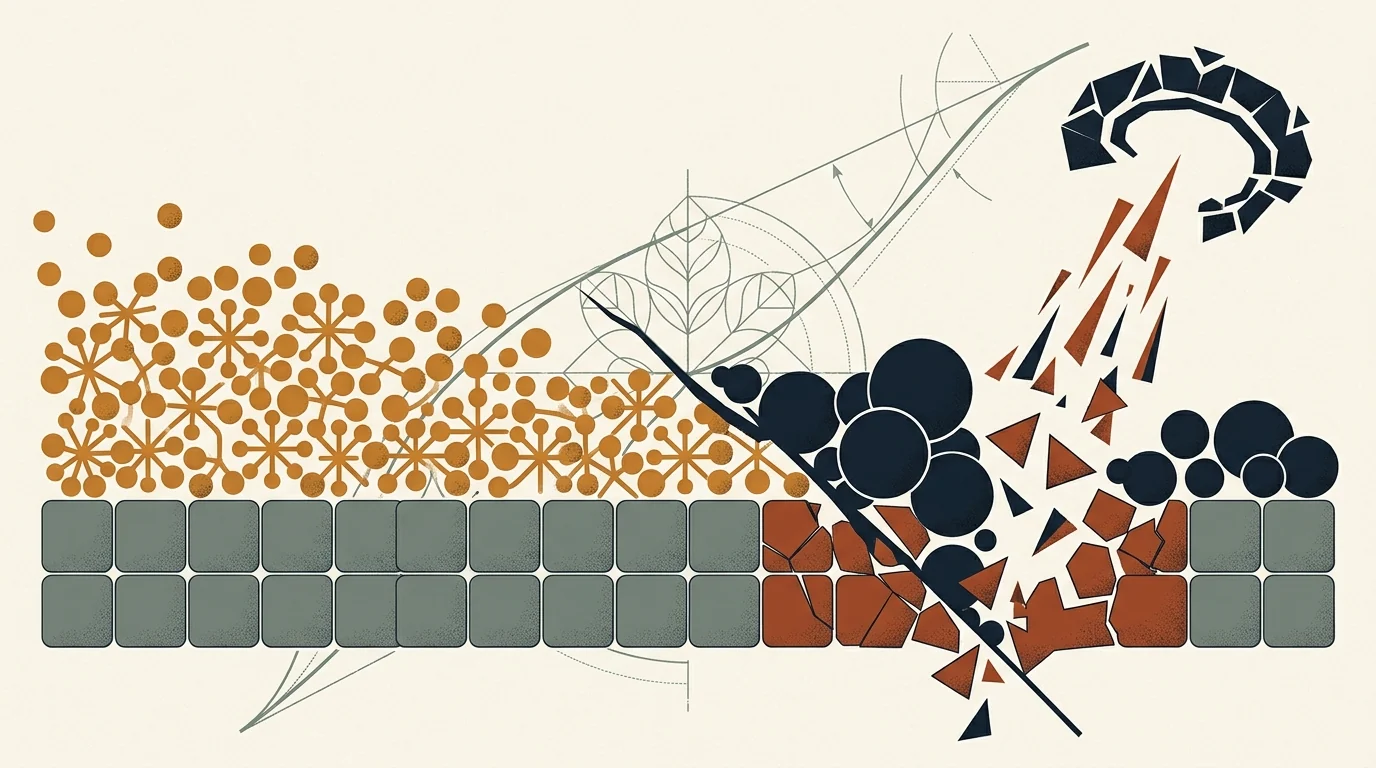
When mice reach middle age on a high-fat diet, the living architecture of their gut ecosystem collapses. Researchers tracking 12-month-old mice observed that the combined stress of age and dense dietary fat selectively eliminated Muribaculaceae, a family of gut bacteria that ferment complex carbohydrates into short-chain fatty acids like butyrate. As these microbes vanished, colonic butyrate levels plummeted, clearing the signals that normally activate epithelial cell surface receptors FFAR2 and FFAR3. Deprived of this chemical input, epithelial cells stopped correctly anchoring the structural proteins ZO-1 and occludin into place, causing the colonic seal to gap open. Bacterial endotoxins like lipopolysaccharide slipped through these broken junctions into the bloodstream, triggering systemic surges of the inflammatory cytokines IL-6 and TNF-α. This circulating inflammation reached the brain, driving spatial memory loss and motor deficits in spatial maze tests. Supplementing the mice with sodium butyrate re-anchored these structural seals, quelled systemic cytokine surges, and restored cognitive performance.
These findings trace a clear physical circuit from bacterial fermentation to brain function, highlighting how dietary stress accelerates biological aging. By proving that restoring short-chain fatty acids can re-lock intestinal proteins and clear inflammatory signals from the blood, the study highlights butyrate as a key mechanical lever in gut-brain signaling. However, this experiment was conducted entirely in rodent models under controlled laboratory conditions. Human gut microbiomes harbor vastly different microbial communities, and it remains unproven whether oral butyrate supplements can survive human digestive environments to achieve the same barrier-repairing effect or reverse cognitive decline in aging populations.
Key takeaways
- High-fat diets in aging mice deplete Muribaculaceae bacteria, dropping colonic butyrate levels and unsealing the intestinal wall.
- Leaky gut barriers release inflammatory endotoxins into circulation, triggering systemic cytokine surges and hippocampal-dependent cognitive deficits.
- Sodium butyrate supplementation restored tight-junction protein localization, lowered inflammatory cytokines, and rescued spatial memory performance.
Source
Reported from High-fat diet and age disrupt a Muribaculaceae-associated SCFA network linked to gut barrier and cognitive deficits. (PubMed Inner Garden (SCFA Signaling & Gut-Brain Barrier)).
Evidence note: This study was conducted exclusively in a controlled mouse model and requires clinical validation before applying these findings to human nutrition or medicine.