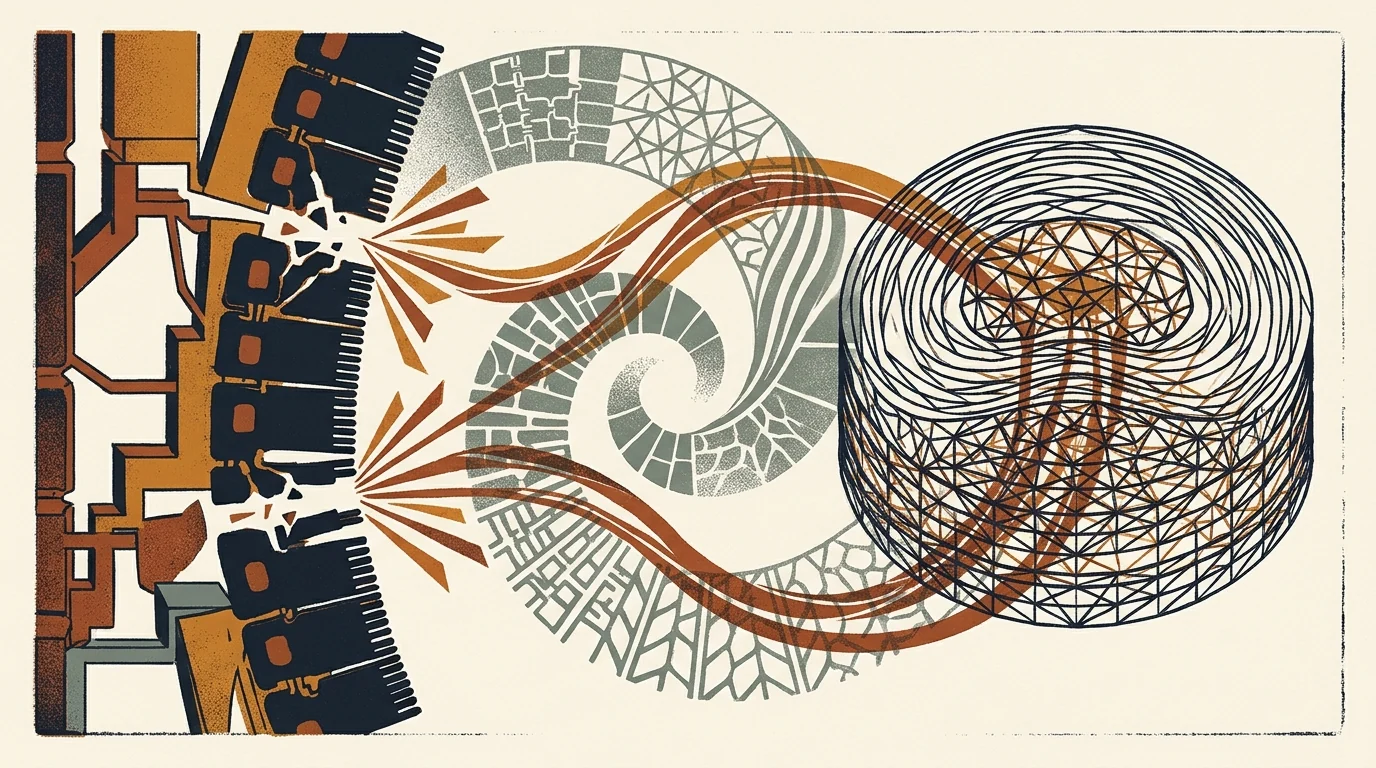
A newly mapped gut-disc axis reveals how microbial metabolites and systemic inflammation reshape the spinal microenvironment to accelerate disc degeneration.
Chronic low back pain frequently originates from the structural collapse of the intervertebral disc, a tissue historically viewed as walled off from the rest of the body. A recent synthesis of clinical cohorts, animal models, and multiomics data proposes that the gut microbiome reshapes this protected niche through a systemic gut-disc axis. When intestinal barrier integrity fails, microbial toxins such as lipopolysaccharides flood the circulation, triggering systemic low-grade inflammation. This circulating endotoxin load, alongside altered metabolic processing of short-chain fatty acids, tryptophan, and bile acids, alters host immune cell lineages. At the cellular level, these microbial signals engage specific pathways including the LPS/TLR4/NF-kappaB and SCFAs-AhR axes, driving the resident nucleus pulposus cells toward premature senescence, apoptosis, and the enzymatic destruction of the surrounding load-bearing extracellular matrix.
This conceptual framework provides a mechanistic bridge connecting intestinal dysbiosis to structural damage in avascular spinal tissues, pointing toward future microbiome-guided, disease-modifying therapies rather than purely symptomatic surgical interventions. However, determining whether bacterial signals detected inside degenerate discs represent true microbial colonization or merely methodological artifacts from low-biomass sample contamination remains unresolved. Furthermore, because this work reviews proposed pathways rather than evaluating a finished clinical intervention, the translational boundary between gut-typing frameworks and validated human treatments remains wide open.
Key takeaways
- Dysbiotic shifts in the gut microbiome increase systemic endotoxin loads and disrupt the metabolic processing of short-chain fatty acids, tryptophan, and bile acids.
- Circulating inflammatory molecules engage pathways such as LPS/TLR4/NF-kappaB to accelerate nucleus pulposus cell senescence, apoptosis, and spinal matrix degradation.
- Mendelian randomization analyses indicate potential causal links connecting specific gut microbial profiles directly to degenerative disc diseases.
Source
Reported from Gut-Intervertebral Disc Axis: Gut Microbiome-Driven Immune-Metabolic Imbalance and Intervertebral Disc Degeneration. (PubMed).
Evidence note: Methodological contamination in low-biomass assays currently obscures whether bacterial signals detected inside degenerate intervertebral discs represent true microbial colonization.