
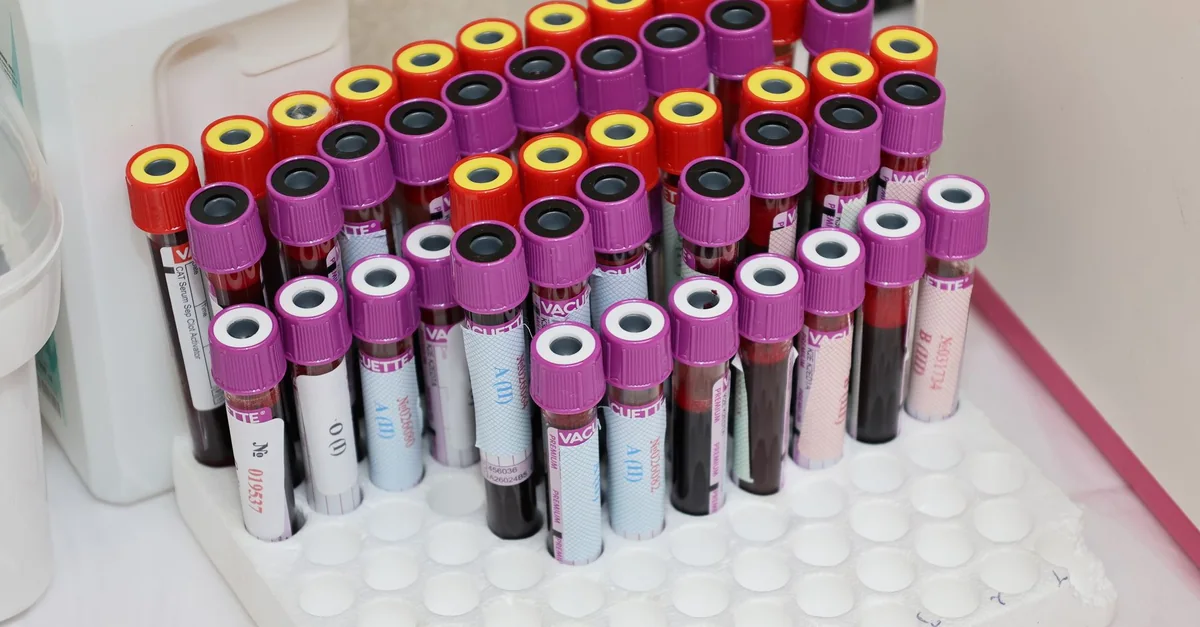
New research extends Alzheimer’s blood biomarker validation to African populations, revealing that while the core protein pathology is conserved, reference ranges must be population-specific to avoid misdiagnosis.
why this matters
Alzheimer’s disease is defined by the progressive misfolding and aggregation of amyloid-beta and tau proteins in the brain. For over a century, definitive diagnosis required autopsy or invasive cerebrospinal fluid sampling. The advent of ultrasensitive blood-based biomarkers—measuring fragments of these proteins in plasma—promises a scalable, minimally invasive window into brain pathology.
But the vast majority of biomarker research has been conducted in high-income countries with predominantly European ancestry populations. This raises a critical question: are the protein signatures universal, or do they vary with genetic background, environment, and lifestyle? The current study begins to answer this by validating established biomarkers in African populations, addressing a glaring gap in global brain health equity.
what was found
The preprint reports that blood biomarkers can detect Alzheimer’s-related protein changes without the need for PET imaging or lumbar puncture. However, the source material does not provide specific results—no effect sizes, no comparative data between populations, and no details on which biomarkers were measured beyond ‘established markers.’
What is clear is the intent: to test whether the same protein patterns hold across diverse genetic ancestries. Previous studies in African populations have been limited to a handful of markers, so this broader panel represents a step toward understanding the biological universality of Alzheimer’s proteinopathy.
The key claim is that these biomarkers are feasible in African cohorts, but the absence of concrete data means we cannot yet assess their diagnostic accuracy or whether reference ranges differ.
how to interpret it
From a biophysical standpoint, Alzheimer’s protein aggregation is a fundamental thermodynamic process—amyloid-beta and tau misfold into beta-sheet-rich structures that resist degradation. The blood biomarkers measure the soluble fragments of these aggregates, providing a proxy for brain pathology. The fact that these proteins are conserved across mammals suggests the core mechanism is likely universal.
However, the levels of these proteins in blood can be influenced by peripheral metabolism, renal clearance, and even the integrity of the blood-brain barrier. These factors may vary across populations due to genetics, diet, or environmental exposures. Thus, while the protein signature may be universal, the quantitative thresholds for abnormality may need population-specific calibration.
The study’s limitation is that it does not yet provide those calibrated thresholds. It is a feasibility and validation step, not a definitive diagnostic tool for African populations.
practical next steps
For researchers, the immediate next step is to publish the full dataset—including the specific biomarkers, sample sizes, and comparative analyses—so the scientific community can assess the validity of the findings. Replication in multiple African cohorts is essential.
For clinicians, this study reinforces the importance of using biomarkers as part of a comprehensive diagnostic workup, not in isolation. Until population-specific reference ranges are established, caution is warranted when interpreting blood biomarker levels in non-European ancestry patients.
For individuals, the takeaway is that blood-based Alzheimer’s tests are advancing, but they are not yet ready for routine clinical use across all populations. Stay informed, but do not seek these tests outside of research settings.
Three things to remember
- Blood biomarkers detect Alzheimer’s protein changes without PET or spinal tap.
- Research has been biased toward European ancestry; this study addresses African populations.
- Specific results are not yet available; interpretation requires caution.
Source
This analysis is based on Alzheimer’s protein patterns vary across populations, biomarker study finds from Medical Xpress Neurology. Read the original report for full context.
Health note: This analysis is based on a preprint summary with limited data. The findings have not been peer-reviewed, and specific results are not yet available. Blood biomarkers for Alzheimer’s are not yet validated for routine clinical use across all populations.